




Discovery of genetic mechanism allowing potato cultivation in northern latitudes
An international team of scientists headed by Wageningen University, part of Wageningen UR, has discovered a genetic mechanism which allows potato plants to develop tubers during the long days of spring and summer in northern latitudes.
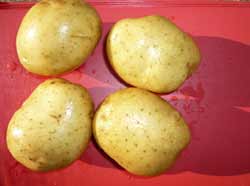
The potato – third most important food crop in the world today
An international team of scientists headed by Wageningen University, part of Wageningen UR, has discovered a genetic mechanism which allows potato plants to develop tubers during the long days of spring and summer in northern latitudes. Wild potatoes, which originate in the Andes of South America, were brought to Europe by Spanish sailors in the late 16th century. Naturally occurring near the Equator, Andean potatoes develop tubers on days which are relatively shorter than those in high latitude summer. Newly discovered mutations in a single potato gene are likely to have contributed to the widespread success of the potato, which is the third most important food crop in the world today.
Although the potato was probably domesticated as long as 10,000 years ago, the distribution of this crop plant was initially restricted to farming communities in what are today Chile, Bolivia and Peru. Only after the Spanish conquest was the potato imported to Europe. Since the European growing season of spring and summer is characterised by long days and short nights, native South American potato varieties would only begin making tubers in autumn, when the days last 12 hours or less. However, modern potato varieties show a wide variation in the timing of tuber formation, with early varieties starting as early as April. The mutations in the newly discovered regulator of tuber formation allow potatoes to escape the original short day regulation mechanism suited to the Andes, so that potatoes can grow and be cultivated in northern Europe and other northern latitudes throughout the world.
The team of scientists, headed by Wageningen UR Plant Breeding, has published its findings on the gene allowing potato to grow and flourish far from its Andean origins in the international scientific journal Nature. The authors also describe a variety of mutations in the tuber formation regulator gene which occur in different combinations in modern potato cultivars, giving rise to early, medium and late varieties, depending on the combination of the gene variants present in the tetraploid crop. Knowledge of the genes underlying the mechanism of early development will allow plant breeders to tailor new potato varieties to various geographic locations.
The research was co funded by the European Union, Technology Foundation STW and Wageningen UR.
See the video here

