




Adding value and maximising profits in 2011

At a recently held briefing hosted by BASF, the message for the industry was clear; high wheat prices mean potentially higher profits from higher yielding crops – but only if correctly managed.
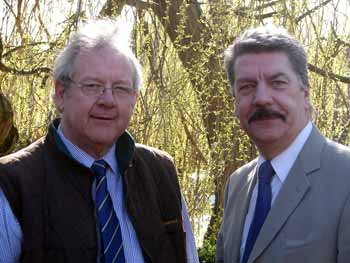
Mr Clark reiterated the serious yield threat from septoria this season, but also warned of the dangers of dismissing yellow rust. Septoria is still the number one yield robber and is currently present in high levels on the bottom leaves of crops. Yellow rust is also already being detected, and it will not take long for this to spread if conditions remain favourable.
Mr Clark suggested that crop growth stages will be difficult to assess this season and will appear backward because of the cold winter and may reach the leaf 3 emergence stage at GS 31 rather than the more typical GS 32. There is a high risk of T1 sprays going on too late- underpinning the importance of using a T0 as a risk management tool.
In terms of chemistry choice for this season, triazoles will continue to form the basis for programmes, but value can be added by including strobs and SDHIs. Adding to this, fungicides today offer more than just disease control; these value added components of the programme deliver important benefits such as greening, improved nitrogen use and drought stress.
Technical stewardship manager at BASF, Steve Waterhouse, notes that responses to fungicides even in low disease years still more than justify their cost. Considering that in 2010, when disease levels were at some of their lowest levels, HGCA trials still achieved a 20% varietal response to fungicides.
The good news is that with sound advice, excellent disease control is easily achieved Mr Waterhouse says. We have access to few – but excellent fungicide groups offering the key modes of action against the most damaging diseases. However, alternative modes of action should be combined at each application timing to deliver optimally economic disease control, and sound resistance management.
Mr Waterhouse also warned against using visual impact as a guide to the potential yield response to some fungicides, and agrees with Mr Clark that the additional effects of some fungicides must be incorporated into programmes in order not to compromise yield.
Boscalid as in Tracker, has always delivered yield beyond expectation since its introduction for these reasons, and will continue to be an important constituent of programmes this year. Pyraclostrobins (Comet 200) well researched physiological profile also underpins yield, although its place in programmes is assured due to the need for top performance against rusts, he says.
This is also the case where SDHIs are used. The newer SDHIs are clearly not the strongest active ingredients against rust, according to recently released HGCA data. On the basis of a BASF 11 trial series in 2010, the yield response from using Comet 200 with new SDHIs was 0.3t/ha, which is worth at least 40/ha in additional production margin based on likely grain prices for 2011.
In 2010 there was unprecedented use of Comet 200 in programmes at T1 because of the rust susceptibility of varieties in the ground. Based on our research amongst agronomists, we expect similar recommendations for the coming season as risks and varieties remain the same, he notes.
Taking all of these factors into account, Mr Waterhouse believes that advisors and growers should combine the best of both types of chemistry to deliver optimum yield this year. This means firstly that the best conventional fungicides such as Ignite and Brutus, should be used in order to deliver best possible disease control. Secondly and importantly, the yield boosting active ingredients boscalid and pyraclostrobin should be incorporated into programmes to deliver peak yield performance.
About BASF
BASF is the worlds leading chemical company: The Chemical Company. Its portfolio ranges from chemicals, plastics and performance products to agricultural products, fine chemicals and oil and gas. As a reliable partner BASF creates chemistry to help its customers in virtually all industries to be more successful. With its high-value products and intelligent solutions, BASF plays an important role in finding answers to global challenges such as climate protection, energy efficiency, nutrition and mobility. BASF posted sales of more than 50 billion in 2009 and had approximately 105,000 employees as of the end of the year. Further information on BASF is available on the Internet at www.basf.com.