




Bromes threaten Essex fields
While the blackgrass menace has been held at bay, Essex farmers must now address the challenge of meadow and rye bromes, according to Harlow Agricultural Merchants Richard Peake.
Full doses of Crystal and diflufenican pre-emergence performed extremely well. Autumn weather conditions also suited the post-emergence sprays. So this spring we are enjoying the best levels of blackgrass control that we have seen for some years in Essex, says Mr Peake.
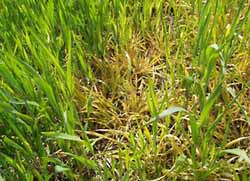
However, in its place comes the challenge of the rye and meadow bromes. Pre-emergence treatments do not control these weeds and Mr Peake believes that left uncontrolled they can soon build up to levels that pose as big a threat to yield as blackgrass. The spread of the bromes across the county may well be due to the prevalence of farm saving seed, coupled with the difficulty of cleaning the weeds from seed samples, even with professional mobile cleaning services.
That is why for this spring he is recommending Broadway Star, a formulation of pyroxsulam and florasulam, which he believes is the best product to effectively control both the bromes.
Farmers really need to get on top of these damaging grasses, especially where C1 seed is being grown for next years seed, says Mr Peake. Too often when farmers are choosing fields to grow seed for their own use they just do not see these weeds.
In addition, Broadway Star will clean up other grass weeds, such as ryegrass and wild oats. And, while fields are generally looking pretty clean there are small cleavers beginning to appear and these too will be well controlled at an economic cost.