




Healthy livestock project leads to healthy profits across the South West
The Healthy Livestock project has been so successful at boosting South West farmers’ returns that industry experts hope it will be rolled out across the country.
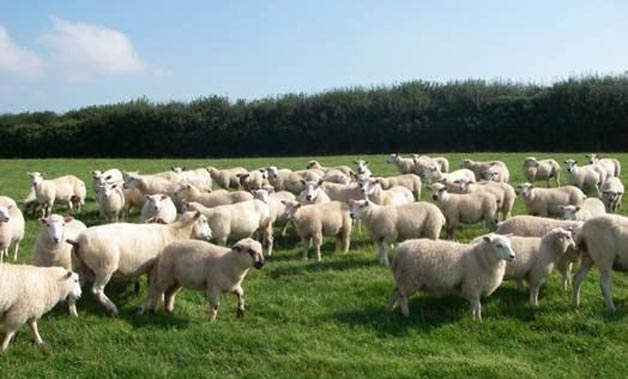
Jenny Starr’s flock
The EU-funded Healthy Livestock Initiative, organised by the Rural Business School at Duchy College, was established to boost farm productivity through better animal health. Working across the industry, it has brought vets, farmers and livestock specialists together to introduce proactive farm health planning for producers across the region.
One aspect of the project was to set up 18 sheep focus farms and five beef focus farms, on which to hold regular events to help producers tackle a wide range of health issues including lameness, fertility, parasites, respiratory disease and general health planning. And the results have been extremely encouraging.
“We’ve had a very high level of take-up,” said project manager Paul Ward at a recent conference in Cornwall. “And farmers have really taken to the package approach, which enabled them to drill down into different diseases at different times. An independent survey found that 92% of farmers would want to continue with the project after its official end later this year.”
Farm advisor Tim Dart said that one of the biggest issues to address on sheep farms had been the number of barren ewes. “We found that toxoplasmosis was present on 14 of the 18 focus farms – it was much more prevalent than anyone expected,” he said. But by introducing vaccination and other measures, nine farms had cut barren rates. Better nutrition at lambing time had reduced ewe losses by an average of 1%, with the number of lambs reared rising by an impressive 9.4%.
Adopting this preventative approach had improved gross margins to an average of £55.64/ewe, said Mr Dart. “Most farms have made considerable progress, leading to improved health and output.”
ADAS consultant Elwyn Rees said the beef focus farmers had made improvements in a number of areas. “One farm reduced calf mortality by 10%, another cut Johne’s cases from six a year to none in two years, and many have reduced anthelmintic use through faecal egg counting.” Several producers had also managed to tighten up their calving pattern and boost calf growth rates, both of which would add considerably to the bottom line, he added.
Brian Ayre, a sheep farmer from Kimbland Farm, Devon, said the focus meetings had been extremely beneficial. “It’s always good to have an outside view of your business, and to see where you are strong or weak,” he said. “The one-to-one vet time has also been brilliant – and listening to the problems that fellow sheep farmers have encountered means you can be ahead of the ball.”
Bryan Griffiths from Southcott Farm, Devon, said the practical, individual advice made the Healthy Livestock project stand out from other EU-funded initiatives. “The concept of having experienced farmers sharing knowledge with the backup of technical experts is commendable and I’d like to see more of it,” he added.
For more information visit www.healthylivestock.org.