




How plants become zombies
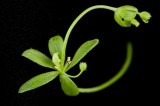
Scientists of John Innes Centre and Wageningen UR have shown how a specific bacterial parasite, causing developmental problems in crops, e.g. oilseed rape, is able to manipulate plants in such a way that they produce leaves instead of flowers. This manipulation improves the chances of the bacteria being spread to other plants, by leafhoppers feeding […]
GM crops under the microscope at Queen’s University Belfast

One of the world’s most contentious food issues – Genetically Modified (GM) crops – will be debated by some of the world’s leading authorities on the subject at Queen’s University Belfast today (Wednesday day 9 April). A panel of international food experts will argue the pros and cons or GM crops at a special debate […]
Nitrogen-fixing bacteria could save arable farmers £1000s
Arable farmers could slash fertiliser costs, boost yields, and protect the environment following the launch of a new nitrogen-fixing bacteria mix. Developed by Jim Brown at Soil Systems, Enfixa is a combination of nitrogen-fixing and nutrient-solubilising bacteria, which fix atmospheric nitrogen and turn it into a usable source for the crop. It can be used […]
HGCA welcomes cereal buyers from Morocco and Algeria

HGCA’s exports division, BCE, last week hosted a visit to the UK for the main buyers from the state purchasing agencies of Morocco and Algeria. The inward missions programme ran over two days, and allowed representatives from both countries to experience the processes involved in the UK’s grain markets, and learn more about farm assured […]
Prospects look good for 2014 cereals harvest
After the disappointing harvest of 2013 and widespread regional flooding, there is finally some positive news for British farmers. The prospects for this year’s harvest are good, according to national agricultural and environmental consultancy, ADAS, which has today released its data analysis report on crop establishment conditions for 2012/13 and 2013/14. ADAS’ figures show the […]
New wireless network to revolutionise soil testing

A University of Southampton researcher has helped to develop a wireless network of sensors that is set to revolutionise soil-based salinity measuring. Dr Nick Harris, from Electronics and Electrical Engineering, worked with a group of professors from the University of Western Australia (UWA) to produce the revolutionary sensor that can carry out non-destructive testing of […]
Arable farmers let down by EU seeds decision

The European Parliament’s decision to reject proposed Plant Reproductive Material (PRM) legislation represents a backwards step and is a missed opportunity to help increase the resilience of UK arable farms in the face of climate change and to improve their ability to compete internationally, the NFU said today. MEPs today failed to support NFU calls […]
New research call for slug control

Work by AHDB’s crop divisions has estimated that a lack of slug control products could potentially cost UK crop production £100 million annually. To help sustain UK crop production, AHDB has revealed plans to invest in a programme of slug research by combining £300,000 of levy funds with potentially significantly greater external sources of funding. […]
Ploughing the only way forward to repair flood damage to soil

Flood damage to soil and flood-repair is one situation that will benefit more from full tillage of the soil rather than no-tillage (or direct drilling), says the New Zealand specialist soil scientist John Baker. Any organic matter and soil microbial life in that eroded soil will have been stripped out and washed away, so it […]


